
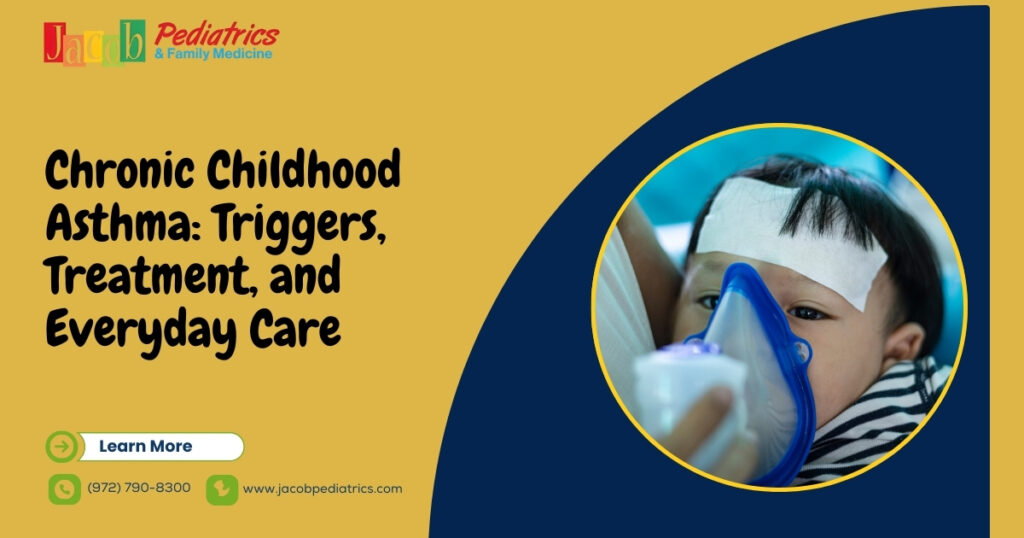
Asthma, an inflammatory breathing condition, affects the lungs, throat and airways, causing them to swell and narrow down. It can affect anyone from any age group, however being more prevalent among children compared to adults. According to the Asthma and Allergy Foundation of America, more than 5 million children in the US suffer from asthma.
The disease is marked by frequent wheezing, coughing, shortness of breath, chest pains, fatigue and more. Some of these symptoms are mild, but can be life-threatening if unmonitored for long. Asthma has no real cure, but can be successfully controlled with specialized treatment and everyday care. Learning what could trigger an asthma attack allows parents and caregivers to know how to avoid said triggers, what to do in an emergency, and when to seek professional help.
Here we discuss some of the common elements that provoke asthma in children, along with treatment plans and advice for everyday care.
Common Asthma Triggers in Children
Asthma triggers vary from one person to another, and can be either allergic or non-allergic. Among children, these are the factors that can often cause asthma to flare up:
- Allergens and Aerosols:
Allergic reactions can cause swelling of airways, making breathing difficult and may induce an asthma attack. Dust, mold, pollen, pet dander and even edible substances can act as allergens. Suspended particles like aerosols can irritate or clog the throat and airways, also acting as a trigger.
- Polluted Air and Smoke:
Pollutants like airborne contaminants, exhaust soot, smoke, etc. can cause severe breathing issues and act as allergens as well. The effect is aggravated easily if a child already suffers from an infection.
- Respiratory Infections:
Conditions like flu, cold, or viral outbreaks cause breathing issues and compromise the body’s immunity, thereby increasing chances of an asthma attack. Likewise, children who suffer from chronic asthma are also prone to contracting other respiratory diseases.
- Seasonal Weather Changes:
A sudden drop or spike in temperature causes abrupt changes in the body. Children’s bodies are more sensitive to such changes, which means greater chances of falling ill. Seasonal allergies can further worsen the effect and trigger an asthma attack.
- Intense Activity and Stress:
Physical activities that include intense movements or too much jumping can lead kids to overexerting themselves. Strong emotions and stress can have a similar effect on children as well, leading to asthma attack. For children suffering from chronic asthma, recovering from the exhaustion is much harder.
Sometimes several triggers may act together, which can let the effects of asthma get far more severe. It’s advised to look for emergency medical care and hospitalization in such cases.
Treating Chronic Asthma in Children
Chronic disease like asthma requires long-term treatment, periodic monitoring, as well as fast-acting emergency medications for emergencies.
- Quick-Relief Inhalers:
These are bronchodilators used only during a severe asthma attack to reduce airway constriction. Their effect is temporary and prolonged usage can have unwanted side-effects, so regulation of dosage is necessary.
- Anti-Allergy Shots:
Allergic asthma can often be controlled by anti-allergy medications and even Epipen injections. They can reduce the sudden swelling, allowing children to breathe easily.
- Controller Meds:
There are also general asthma medications that may be taken at regular intervals to control inflammation of lungs and trachea. These include corticosteroids, beta-agonists, etc., and can be found commonly as over-the-counter medicines.
- Monitoring Equipment:
Some tools like peak flow meters, pulse oximeters and such can help track airflow rate, pulse and oxygen levels. They are used to monitor chronic asthma and alert about the early signs of an asthma attack.
Daily Care for Chronic Childhood Asthma
Medications alone aren’t enough to control chronic asthma. Certain lifestyle changes are needed to manage it effectively and decrease the chances of a possible asthma attack. Children are more susceptible to asthma due to unstable routines and their high sensitivity to any environmental change. The few following everyday habits can help your children gradually overcome chronic asthma:
- Avoid All Known Triggers:
Try to keep the surroundings as allergen-free as possible and teach children to avoid foods that could be allergic to them. Allergy tests can help reveal most of these triggers so you know what to stay away from. Guide children through situations that could be too stressful or stimulating for them to handle on their own.
- Routine Medical Checkups:
Annual or monthly checkups at a hospital or pediatric clinic is important to keep chronic asthma in check. Healthcare professionals can track symptoms and conduct allergy tests for proper diagnosis and treatment. Routine checks also reveal if your child missed any vaccination for respiratory diseases or seasonal flu.
- Light Exercise:
While intensive physical activity can cause breathing difficulty or trigger asthma, some regular exercise in moderation helps build endurance. Over a period of time, this allows children to participate safely in more activities.
The Bottom Line
Chronic asthma in children can be challenging to manage, but sufficient care and precautionary measures can make it much easier. At Jacob Pediatrics and Family Medicine get intensive treatment and allergy tests for your child to secure their health and future. Book an appointment with us now.