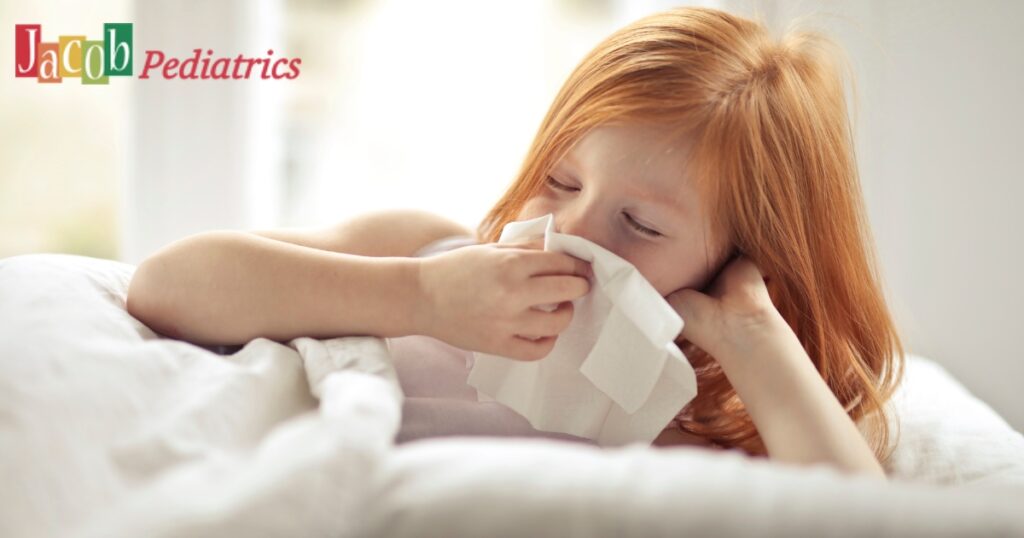
Today, childhood allergies are more common than ever. From dander and dust to peanuts and pollen, kids face multiple allergy triggers in their daily lives. At times, it can be overwhelming to identify what’s causing the symptoms and how to make the child feel better.
In 2025, due to advances in allergy management and pediatric care, families will have more knowledge and resources available to them than before. They can take all the help they want from a Medicaid Provider in Irving, Texas.
However, childhood allergies remain one of the most common chronic conditions. In this blog, we will explore the most common allergies in children, what signs parents should look for, and ways to manage those issues. You will also know how medicaid providers help children during such issues.
What are Childhood Allergies?
An allergy happens when a child’s immune system overreacts to something harmless, like pollen, food, or dust. The immune system mistakenly identifies such substances (allergens) as threats and releases chemicals like histamine. This leads to symptoms like the following:
- Coughing
- Swelling
- Skin rashes
- Digestive problems
- Itchy/watery eyes
- Sneezing
Top Childhood Allergies in 2025
Some of the common childhood allergies in 2025 are as follows:
1. Food Allergies
This is one of the most common allergies widespread among children. The “big eight” food allergens are among the most common.
- Milk
- Eggs
- Peanuts
- Tree nuts
- Fish
- Shelfish
- Soy
Signs of food allergy include the following:
- Rashes or hives on the skin
- Lips, tongue, or throat swelling
- Stomach ache, diarrhea, or throwing up
- In bad cases, it’s hard to breathe.
Management Tips:
- Read the food labels carefully every time.
- Make an emergency action plan with your child’s school.
- If your child’s doctor tells you to, keep antihistamines or epinephrine auto-injectors close by.
2. Seasonal Allergies
This illness, sometimes called allergic rhinitis, affects a lot of kids when pollen levels go up. Because of climate change, pollen seasons are getting longer and starting earlier in the year.
Common causes:
- Pollen from trees in the spring
- Summer pollen from grass
- Pollen from weeds in the fall
Some of the signs are:
- A nose that runs or is stuffy
- Sneeze
- Eyes that are red and itchy
- Tiredness
Tips for managing:
- Check the pollen counts every day and don’t play outside when they are high.
- During the time of year when pollen levels are highest, keep your windows closed.
- To get rid of pollen, take a shower and change your clothes after being outside.
3. Dust Mite Allergies
Dust mites are small bugs that live in mattresses, carpets, furniture, and bedding. Though they are invisible to the eye, they can cause significant allergic reactions in children.
Some symptoms are as follows:
- Itchy eyes
- Running Nose
- Sneezing/Coughing at night
- Asthma Flare-ups
Management tips:
- Use mattress and pillow covers that keep dust mites out.
- Every week, wash your sheets in boiling water.
- Use a vacuum with a HEPA filter often.
- Keep cuddly animals to a minimum in the bedroom.
4. Allergies to Pets
A lot of families enjoy their pets, but their dander, saliva, and urine can make kids allergic.
Some of the symptoms are:
- Pets can make your nose runny or stuffy.
- Eyes that itch and water
- Rashes on the skin after petting animals
- Asthma symptoms got worse
Tips for managing:
- Don’t let pets into your child’s room.
- Give your pets regular baths.
- To get rid of dander, use air purifiers.
- After touching dogs, wash your hands.
5. Allergies To Insect Stings
Some kids can have allergic reactions to bees, wasps, and other bugs. Most stings only cause mild swelling or pain, but some kids have severe allergic reactions (anaphylaxis).
Signs of a bad reaction:
- Hard to breathe
- Swelling of the tongue or throat
- Feeling dizzy or passing out
Advice for management:
- Tell your child not to go near insect nests.
- If your child has a known severe allergy, make sure they have their prescribed epinephrine with them.
- If you have anaphylaxis, call for medical help right away.
6. Allergies to Mold
Another typical allergy trigger is mold spores, which are often found in wet places.
Some of the signs are:
- Sneezing
- Blocked nose
- Coughing or wheezing
- Irritation of the skin
Advice for managers:
- Use dehumidifiers in places of the house that are damp.
- Get leaks fixed right away.
- To keep mold from growing, clean the bathrooms and kitchens often.
How to Help Kids with Allergies: Useful Advice for Parents
To help kids with allergies, you need to do a mix of things like avoiding triggers, getting medical care, and changing your lifestyle. Every parent can follow these important steps:
1. Find out what the allergens are
The first thing you need to do is figure out what makes your child allergic. Allergy testing is something that pediatricians regularly suggest. It can include:
- Tests that pierce the skin
- Tests on blood
These tests help determine whether the problem is caused by food, pollen, or anything else.
2. Listen to What Your Doctor Says
Always work closely with your child’s doctor or allergist. They might suggest:
- Antihistamines to help with symptoms.
- Nasal sprays for allergies in the nose.
- Allergy inhalers for asthma.
- Auto-injectors of epinephrine for people who are very allergic to food or insect stings.
3. Make Your Home Safe For Those With Allergies
To cut down on allergies, use air purifiers.
- Regularly dust and vacuum.
- Pick bedding that won’t cause allergies.
- Avoid cleaning products or candles with strong scents that could make symptoms worse.
4. Teach Your Child
Tell your child what their allergies are and how to stay away from things that make them worse. Older kids should also know how to spot signs of illness and tell an adult if they start to feel bad.
5. Collaborate with Schools and Caregivers
Make sure that your child’s instructors, daycare workers, and babysitters know about their sensitivities and what to do in an emergency. If needed, give written instructions and medicines.
6. Keep an eye on your symptoms often
Write down your child’s symptoms and things that might make them worse. Over time, this can help you and your child’s doctor change how they manage things.
How Allergies Affect Kids’ Emotions
Allergies can also affect a child’s social and emotional life, in addition to their medical symptoms. Kids could feel left out if they can’t eat the same meals as their pals or do particular things. Parents ought to:
- Give emotional support and comfort.
- Encourage people to take part in activities in a safe way.
- Find support groups or online forums for families who have to deal with allergies.
How do Medicaid Providers Help Children with Allergies?
Medicaid providers are very important for kids with allergies because they make sure that families can get full, affordable care. They help parents find allergy symptoms early, make sure they get the right diagnosis through testing, and make individualized treatment plans to avoid triggers and lessen flare-ups.
Such professionals in Irving, TX ensure that children receive the right support for their long-term health by prescribing medications, recommending dietary changes, and offering guidance on maintaining good health. They make quality allergy care available to families who need it most by covering important visits, treatments, and education.
Wrapping Up
In 2025, allergies in children are still a big worry for families, but they can be handled well with the right information and help. Being aware of and taking care of seasonal and food triggers, as well as dust, pets, and insect stings, are the first steps to keeping kids safe and healthy. Working with a reliable Medicare Provider in Irving ensures that families can get correct diagnoses, personalized treatments, and ongoing support without having to worry about money. Parents, providers, and schools can all help kids with allergies live healthier, happier lives by working together.